
Active Recall
Efficient Learning with AI: Evidence‑Based Workflow for Students
8–10 hours instead of 40: an evidence‑based study workflow using Active Recall, SRS, Feynman, Bloom 1–6, and the 85% rule — supported by AI.
·16 min

 Blog
BlogPage 4 / 6
8–10 hours instead of 40: an evidence‑based study workflow using Active Recall, SRS, Feynman, Bloom 1–6, and the 85% rule — supported by AI.

Learn how to use Blooms Taxonomy for structured and systematic learning - from simple remembering to creative synthesis. Practical instructions and exercises for all learning areas.
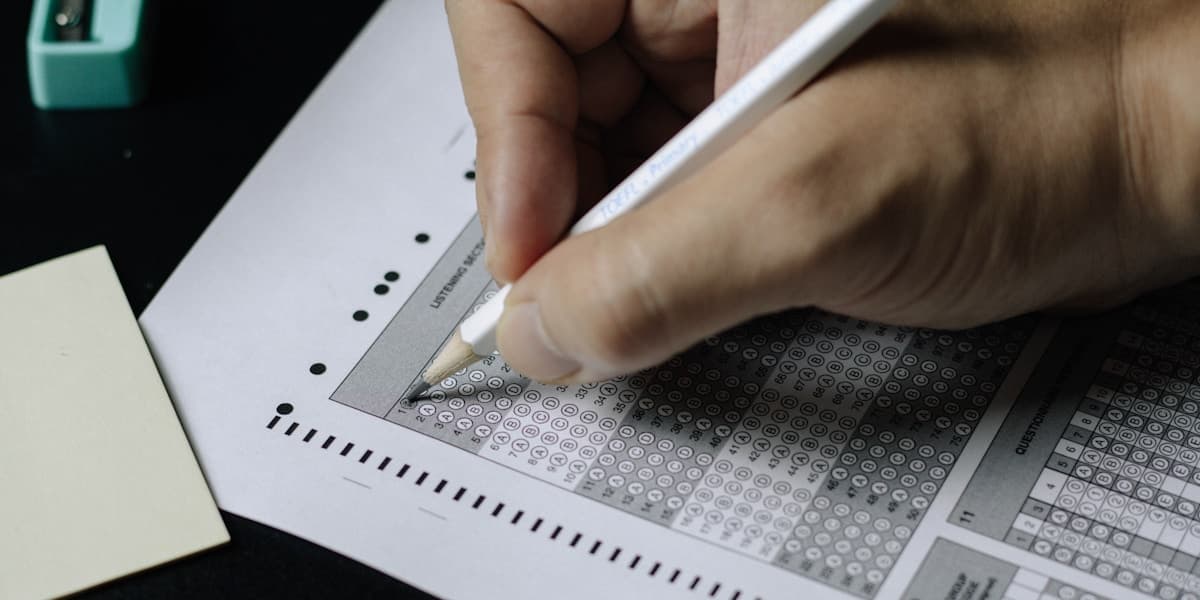
How to create flashcards that actually help: card-writing rules, examples, subject-specific tactics, and AI workflows that do not weaken learning.

It's the moment every student dreads. The first big midterm exam results are posted, and your heart sinks. That C- in Organic Chemistry or that 58% in Calculus II isn't just a bad grade. It's a flashing red warning light...
For many students, especially those in STEM, law, or other information-dense fields, the textbook isn't just a book; it's a beast. A 700-page behemoth filled with complex diagrams, intricate formulas, and dense prose tha...

As students, we've all been there. You're staring at a dense textbook chapter, trying to extract the key concepts while simultaneously wondering if you're missing something important. Or maybe you're juggling multiple su...

It’s 2 AM. The cursor on your screen blinks on a blank page, a tiny, rhythmic reminder of the deadline you’re about to miss. You’re surrounded by a fortress of textbooks you haven’t read, notes that don’t make sense, and...

Online flashcards help when the tool supports clear card design, spaced review, editing, and export. Use this guide to choose a platform and build a simple review routine.

When it comes to effective teaching and learning, understanding cognitive levels can significantly enhance outcomes. Bloom’s Revised Taxonomy offers a framework to define and evaluate these cognitive stages, providing ed...